The Schiavetti wetland, a biotope of approximately 64 hectares located between Monfalcone and Staranzano in Friuli Venezia Giulia, is recognized as the easternmost wetland in Italy and represents a mosaic of biodiversity and habitats. Through a public conference involving stakeholders and citizens, a journalistic investigation, and an audiovisual installation presented within a multimedia art festival, we reflected on past transformations (land reclamation works) and on the future role of the biotope for the local community.
The Schiavetti Wetland: A Biodiversity Treasure at Risk
The Schiavetti biotope is a spring-fed wetland where freshwater emerges from the Karst plateau, creating a rich ecological continuum. It hosts remarkable biodiversity, with over 480 documented plant species—including rare and protected ones—as well as diverse animal life and rare butterfly species. Historically, the Monfalcone plain was an extensive marshland, a “natural miracle” that was nevertheless associated with health issues such as malaria. The biotope’s unique features, including cold and constant spring waters (12–13 °C), have allowed the survival of glacial relicts, species typically found in alpine regions.
Despite its protected status, the biotope faces significant challenges:
Industrial encroachment:
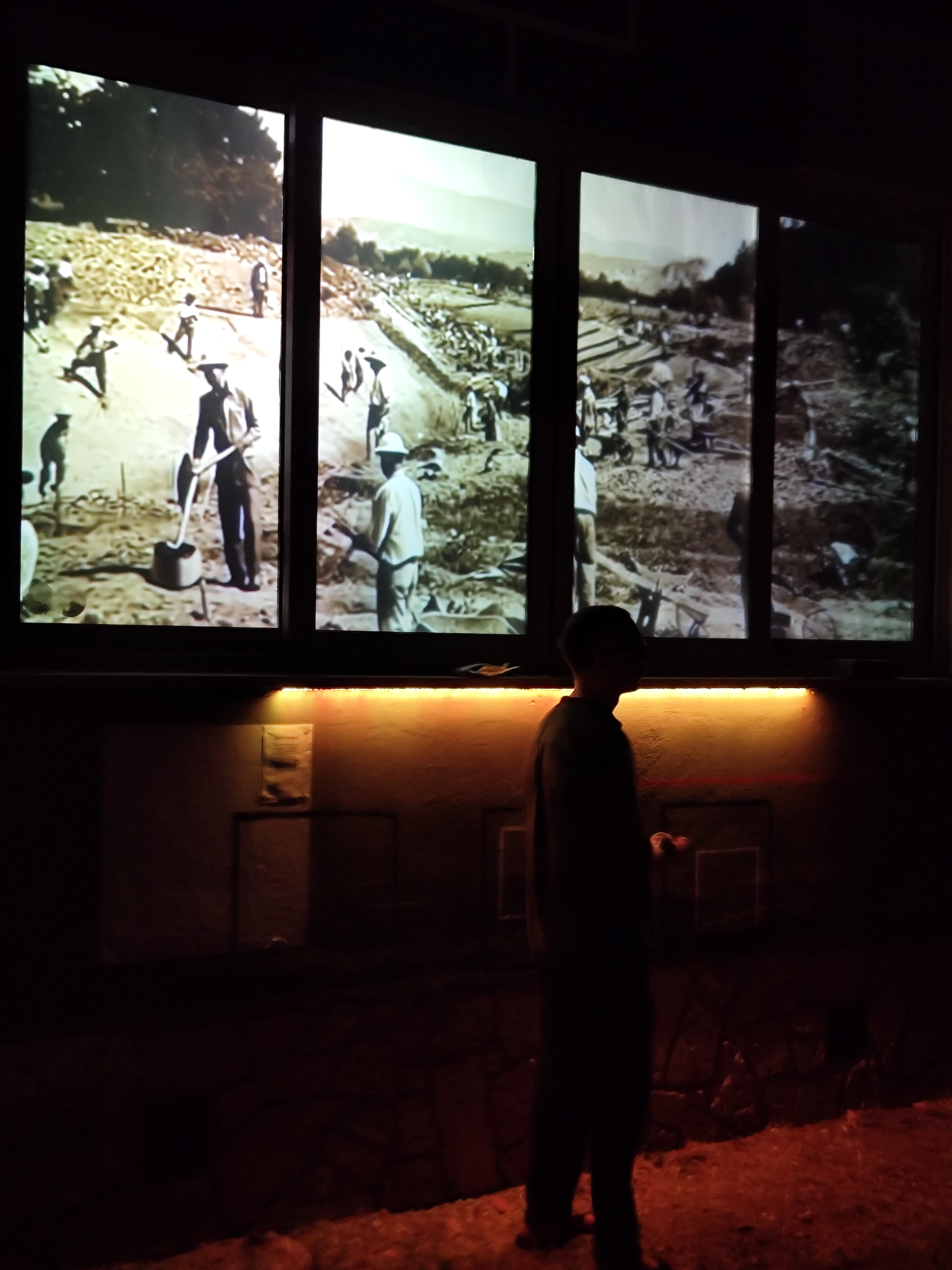
In the 1990s, the area was designated for the expansion of the adjacent industrial zone, with excavation and drainage works already underway. Thanks to a strong environmental campaign led by Legambiente—based on public awareness, scientific appeals, and the involvement of schools—industrial development was halted, and the wetland was officially established as a regional biotope in 2001.
Water scarcity:
The lowering of groundwater levels due to agricultural and urban demand, combined with climate change and increasing impermeable surfaces, threatens the water supply essential to wetland habitats.
Main spring excluded:
The most important spring feeding the biotope lies outside the protected perimeter, located within an industrial area and exposed to traffic and pollution.
Lack of management:
The abandonment of mowing in wet meadows has led to the spread of reed beds and marsh shrubs, progressively choking plant biodiversity.
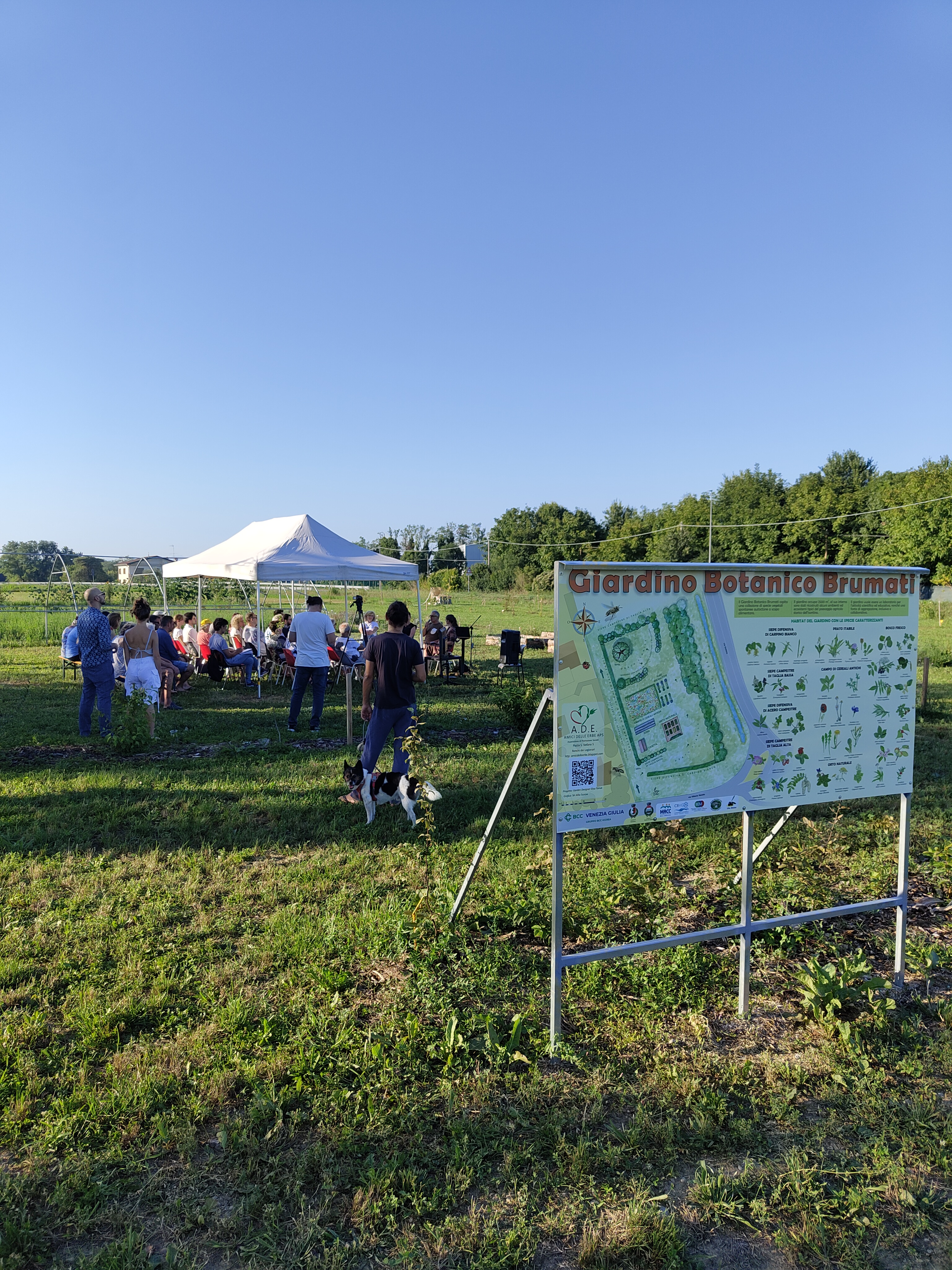
A Dialogue in Three Times: Voices from the Past, Present, and Future
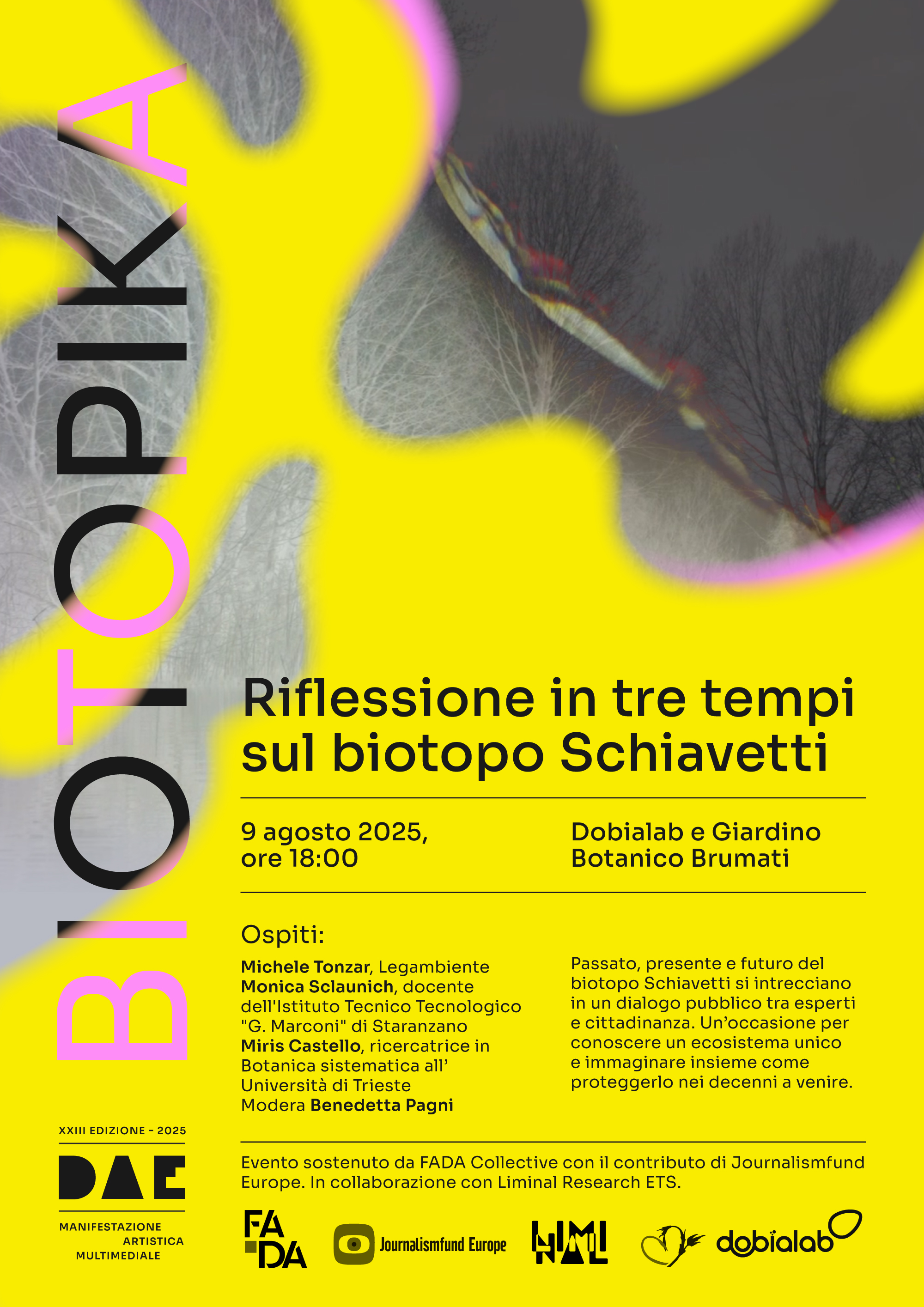
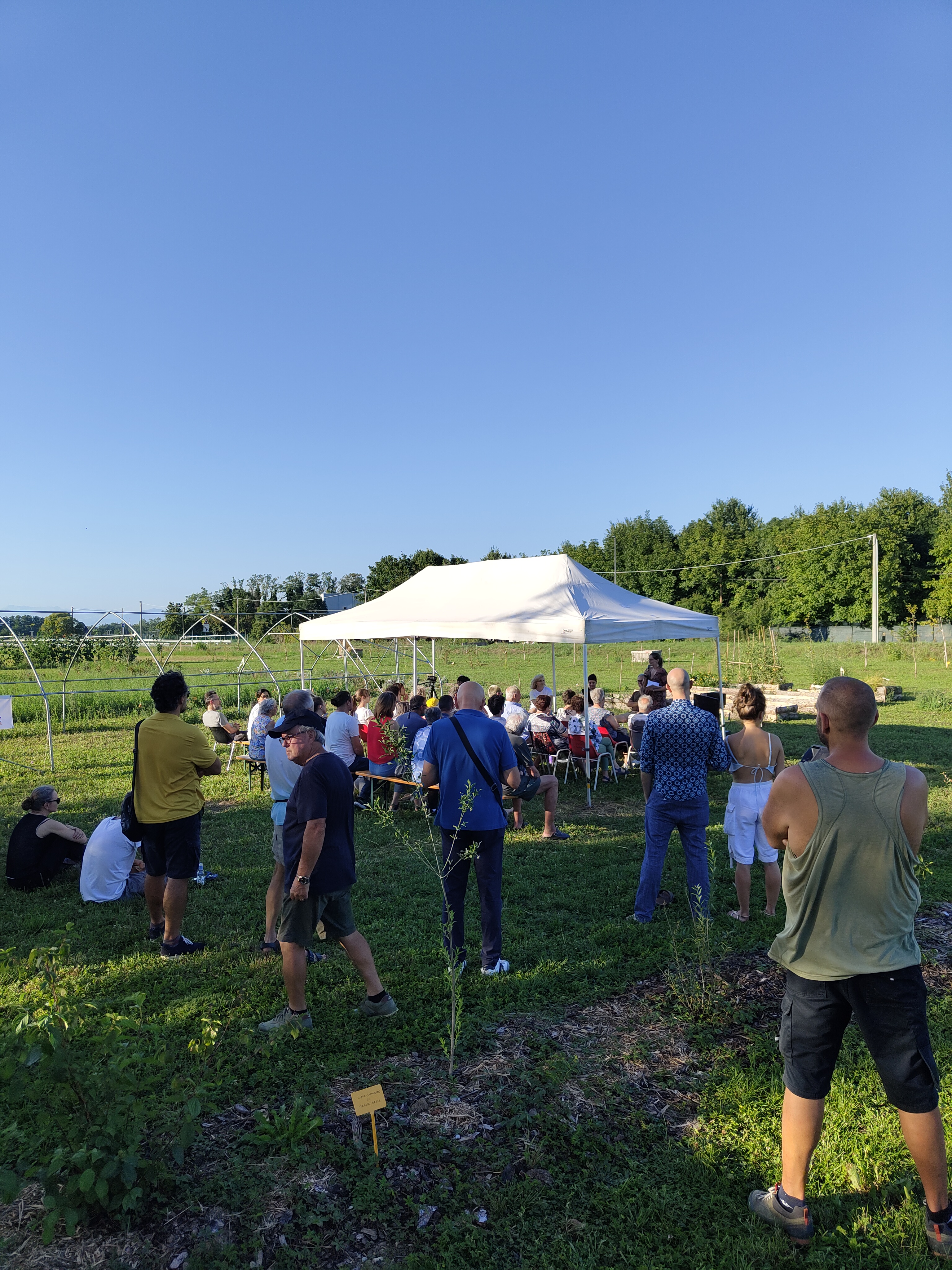
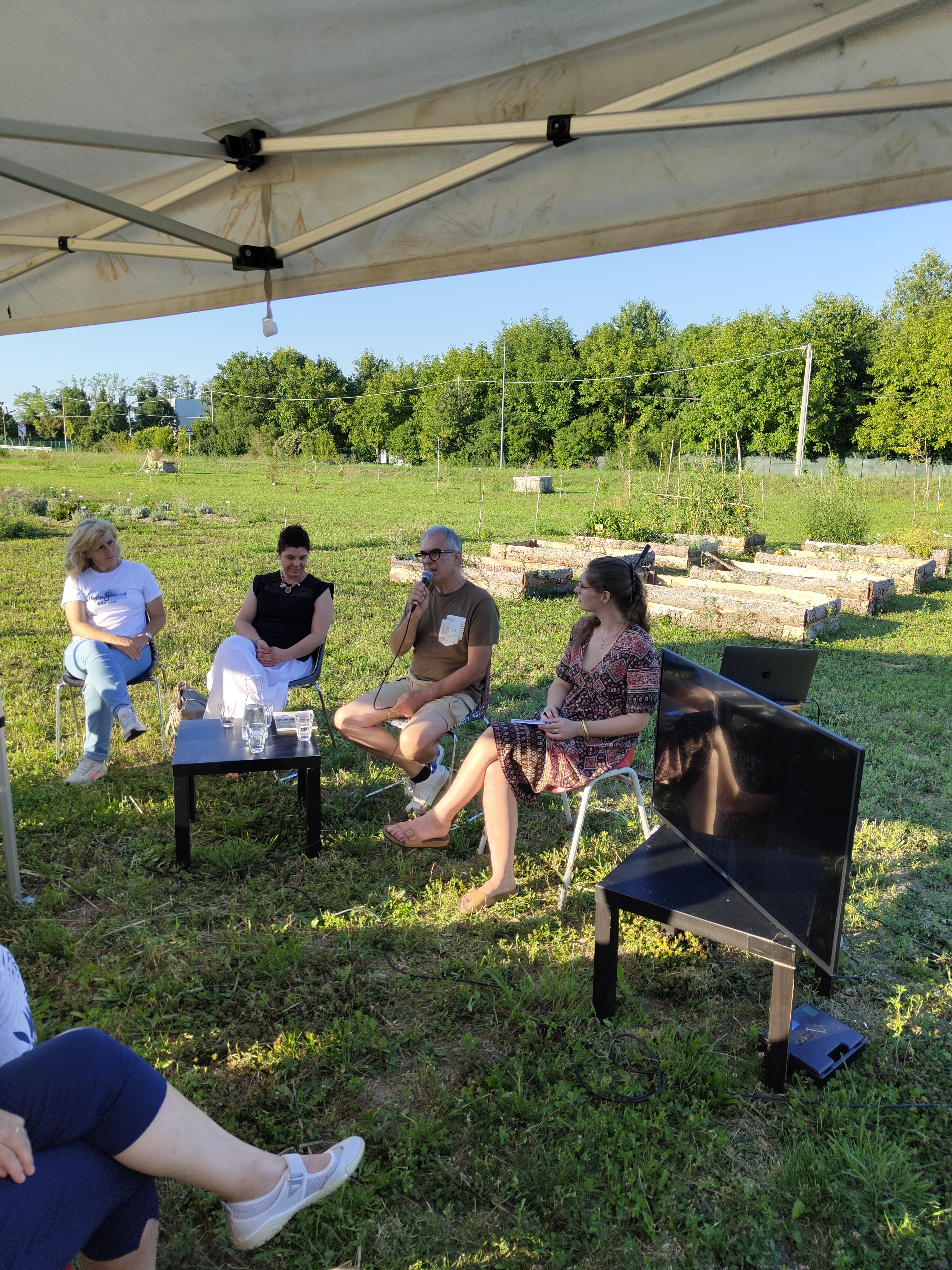
A public debate held in the evocative setting of the Brumati Botanical Garden in Staranzano, moderated by science journalist Benedetta Pagni. The event brought together three key voices, each representing a different temporal perspective:
PAST:
Michele Tonzar (Legambiente) recounted the historic struggle to save the biotope from industrial development, highlighting the site’s fragility and the need for careful, long-term management.
PRESENT:
Prof. Monica Sclaunich (ISIS BEM High School) illustrated the value of the biotope as an “open-air classroom,” capable of fostering an “experience of complexity,” emotional engagement, and environmental awareness among students.
FUTURE:
Prof. Miris Castello (University of Trieste) offered a scientific overview of the global importance of wetlands as highly productive, biodiversity-rich ecosystems, essential for climate change mitigation (e.g., carbon sequestration and flood protection), while also outlining the specific threats currently facing wetlands.
The Audiovisual Installation
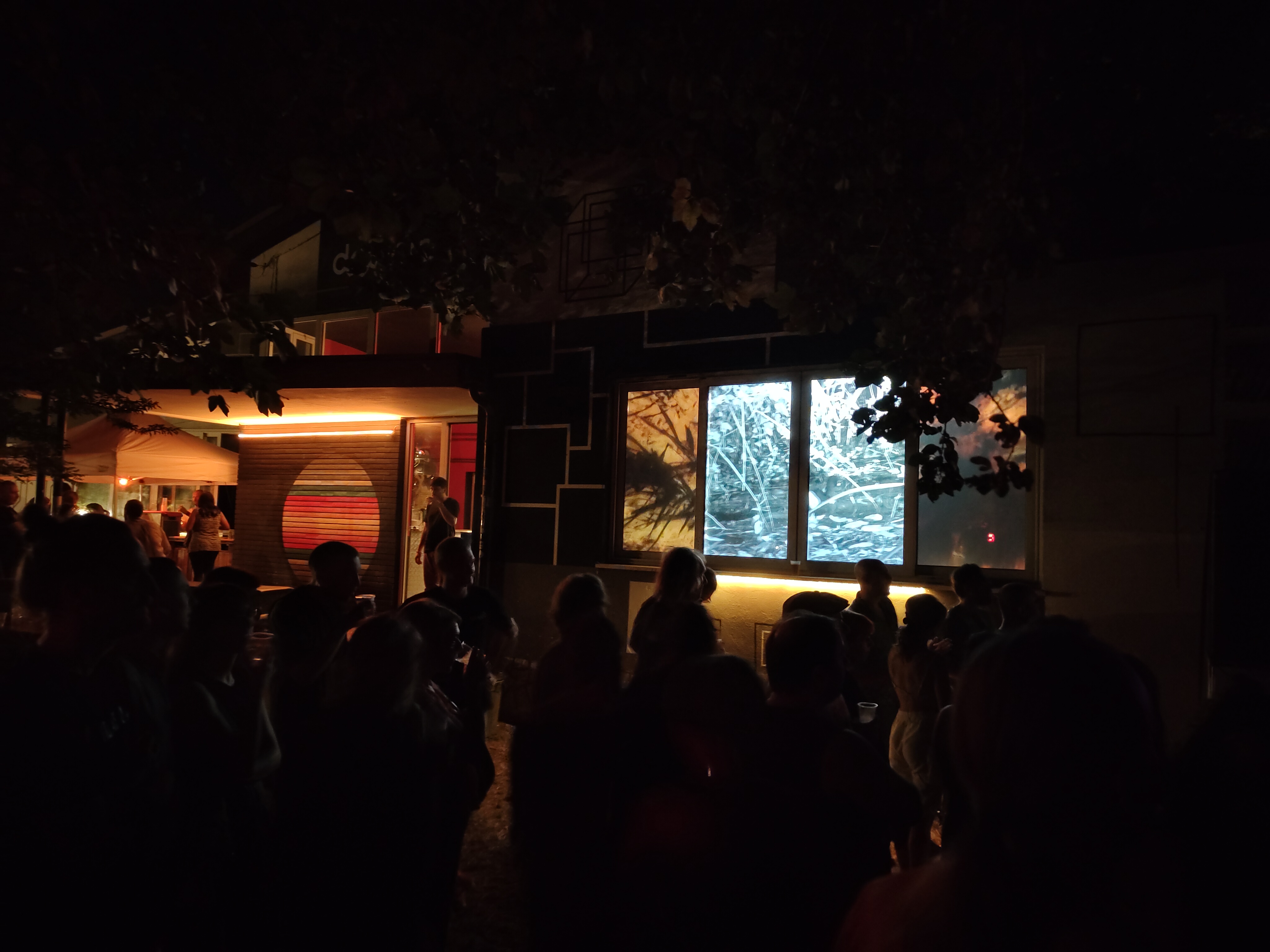
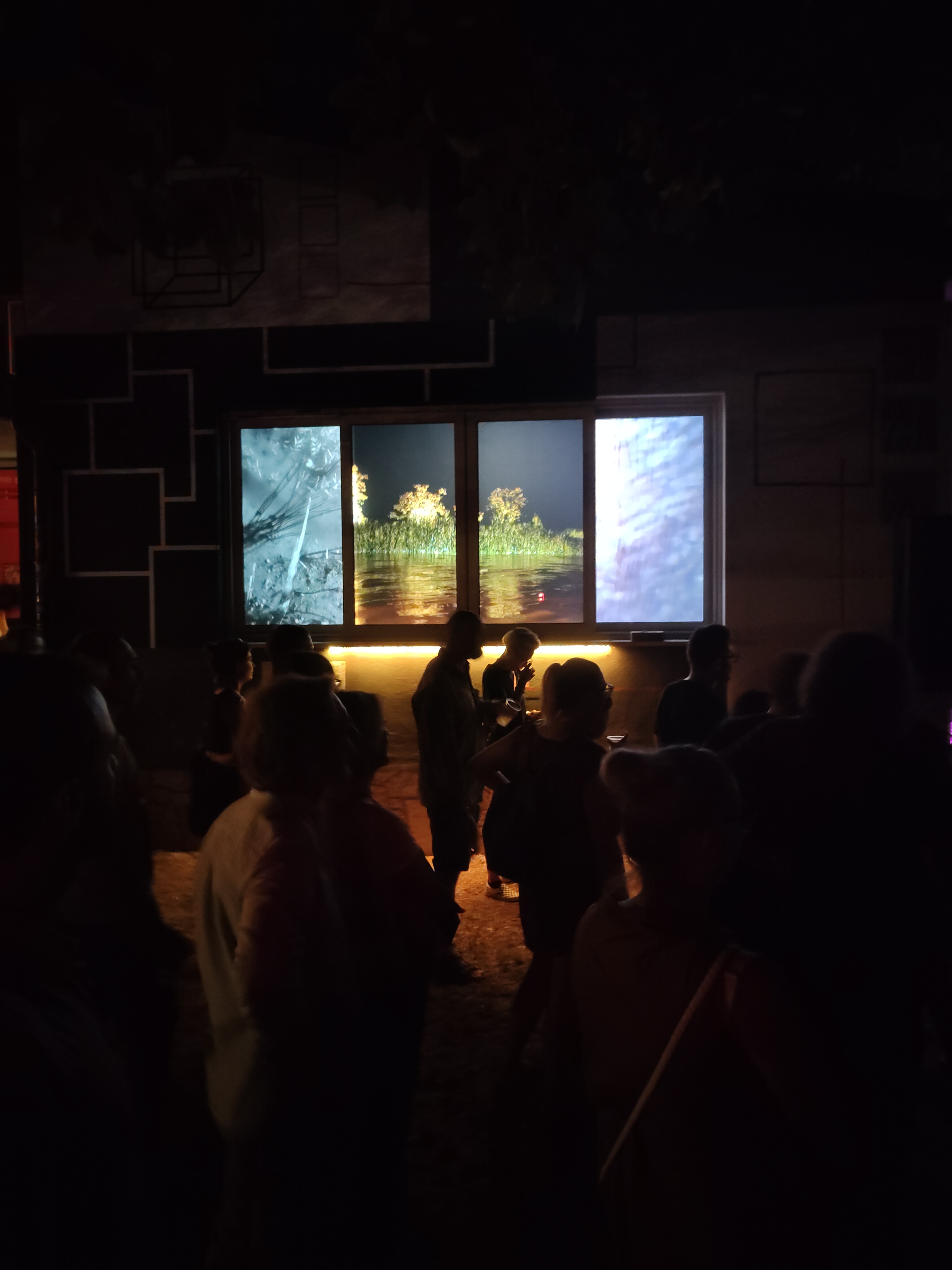
Created by Francesco Scarel (Liminal Research), the audiovisual installation BIOTOPIKA weaves together archival photographs, recent footage of the wetland, environmental soundscapes, and AI-generated animations to present the past, the present, and several speculative futures of the area.
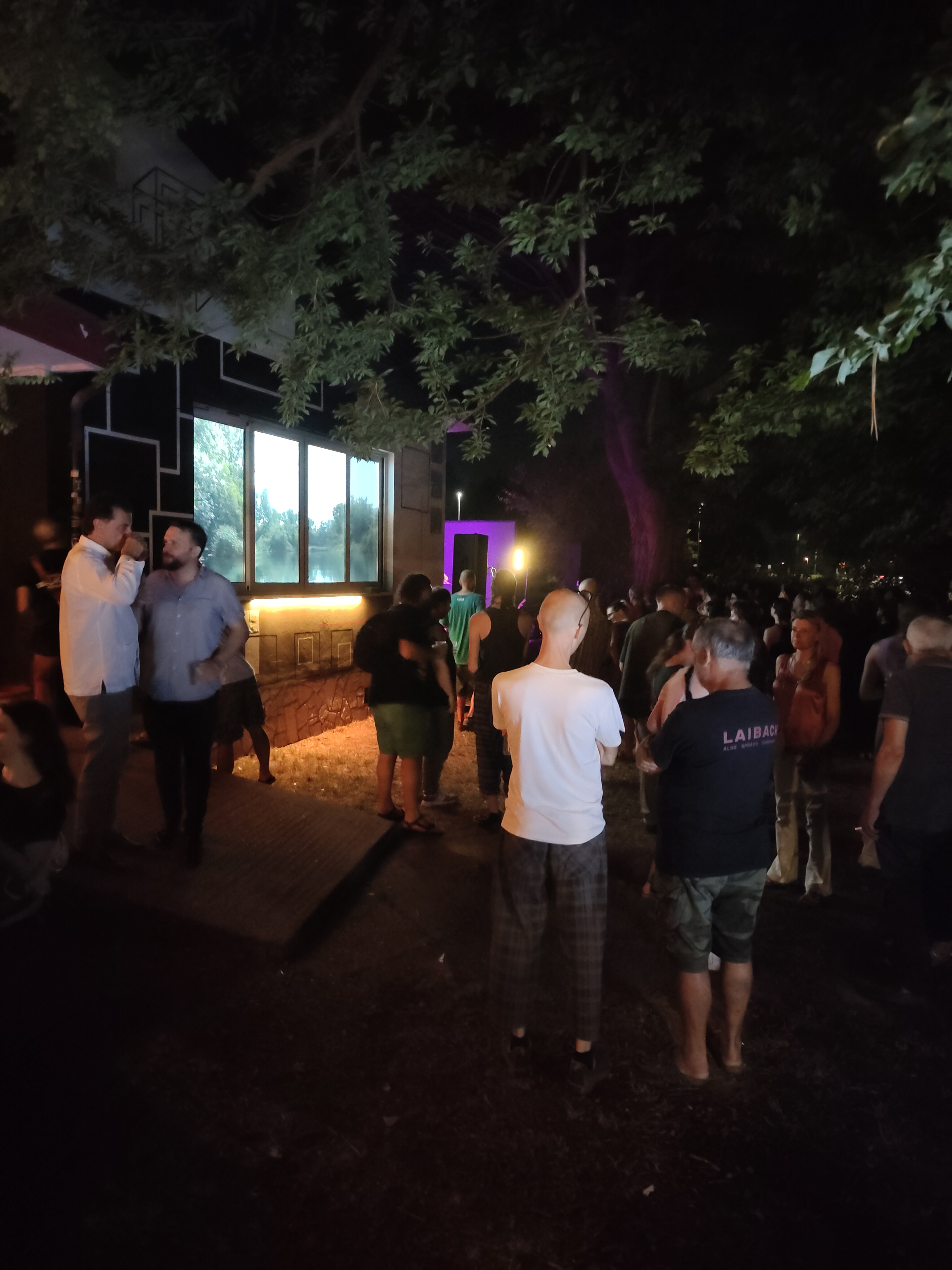
This layered work was continuously projected through the windows of Dobialab during the DAE25 media art and music festival, extending the earlier public conversation into a visual and sensory space. A dedicated stereo system featuring excerpts from interviews with local residents invites visitors to listen to intimate testimonies, intertwining personal stories with the history of the Schiavetti biotope.